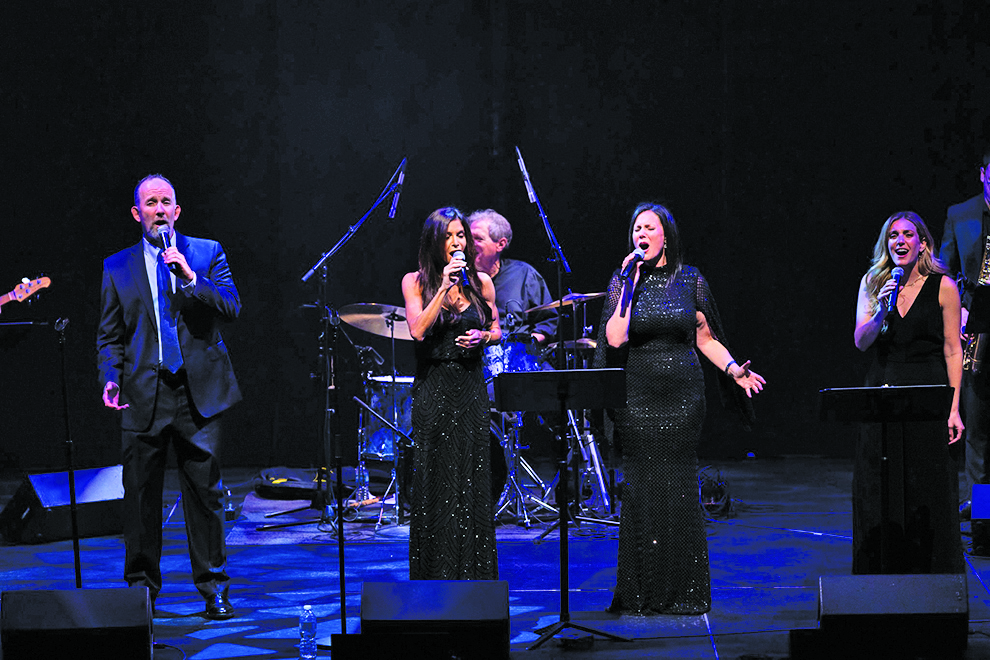


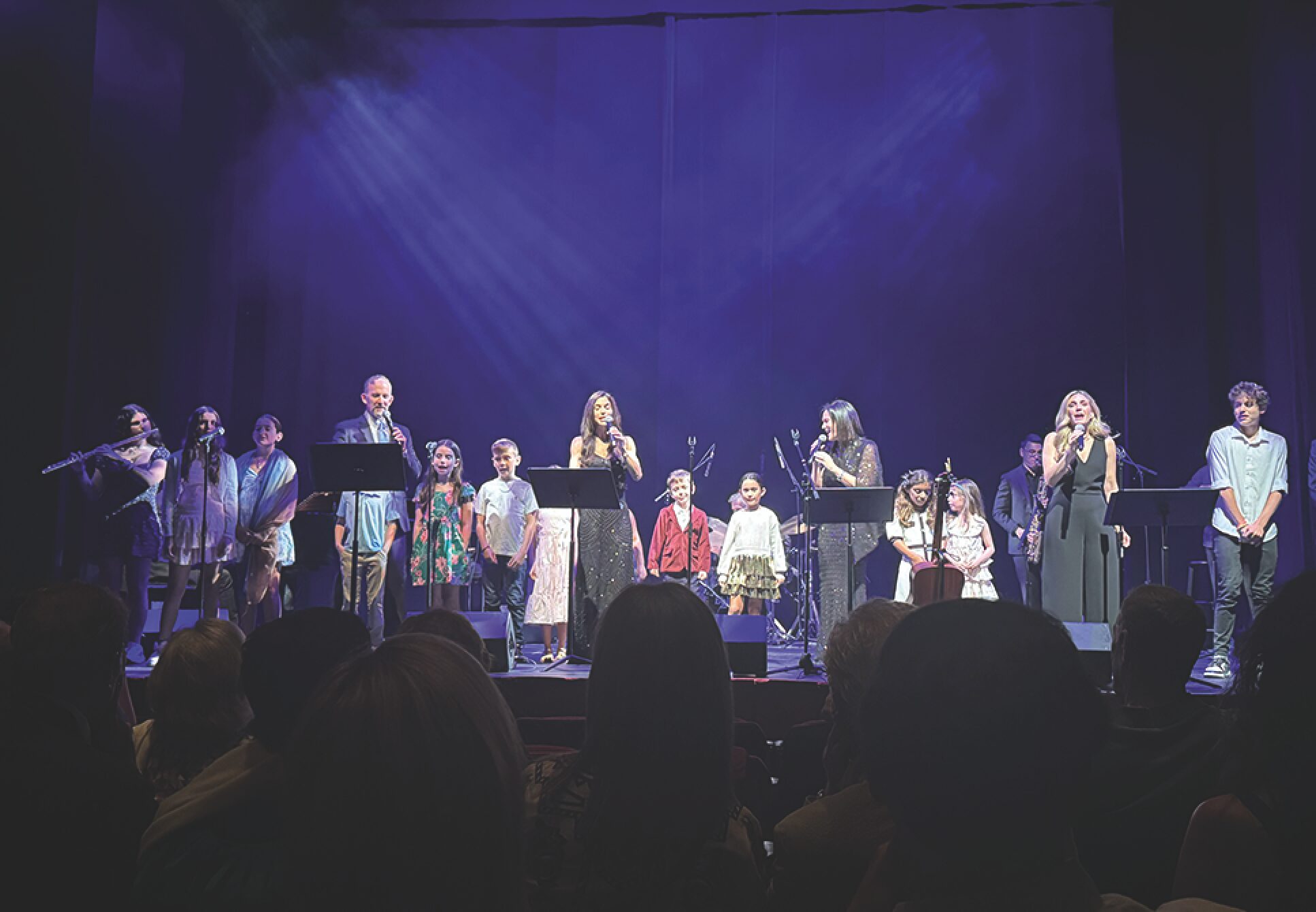
There is a particular kind of cultural event that resists easy categorization, one that is neither concert nor ceremony, neither educational program nor religious observance, yet partakes of all four. One Voice, presented by the Institute of Jewish Rock at the Raymond F. Kravis Center for the Performing Arts in West Palm Beach last month, was that kind of occasion.
The repertoire was shrewdly assembled. Yiddish songs recalled a world that must not be forgotten. Tap dancing reminded the audience that joy has a physical dimension. Disney hits demonstrated that the line between popular culture and genuine feeling is often thinner than critics care to admit. An original composition by Cantor Abbie Strauss about Israel gave the evening a sense of present-tense urgency. “Ein Li Eretz Acheret, I Have No Other Land” arrived with the full weight of its history intact, neither sentimentalized nor diminished.
Cantor Strauss of Tamid Palm Beach brought together musicians and singers to highlight the power of music to strengthen community. Her own performance highlights included singing with students from the Institute of Jewish Rock and Meyer Prep and harmonizing with her talented colleagues. Courtney Demri, head of performing arts at the Greene School, showcased her Broadway talent and brought her students to the stage, giving them a real moment to shine. Cantor Michael Smolash of Temple Beth Am in Miami added vocal depth and range, including a Yiddish number delivered with exuberant tap dancing. Cantor Laurie Akers of Congregation Or Shalom in Chicago uplifted the audience with her harmonies and duets and led a powerful original song about peace that every person carried with them. The interpretive key to the evening was provided by Rabbi Feivel Strauss of Tamid Palm Beach, whose remarks drew on the Sinai narrative to articulate what community — and, by extension, this concert — is actually for: “The phrase One Voice brings us back to the moment the Israelites were standing together at Mount Sinai,” he said. “At this moment, they’re described as having one voice … not because they were just nodding along in perfect agreement, but rather because they were in sync with one another, that they have chosen to show up for one another, to listen deeply to one another, to help figure things out together. And when we do that, that’s when we have one voice.”