
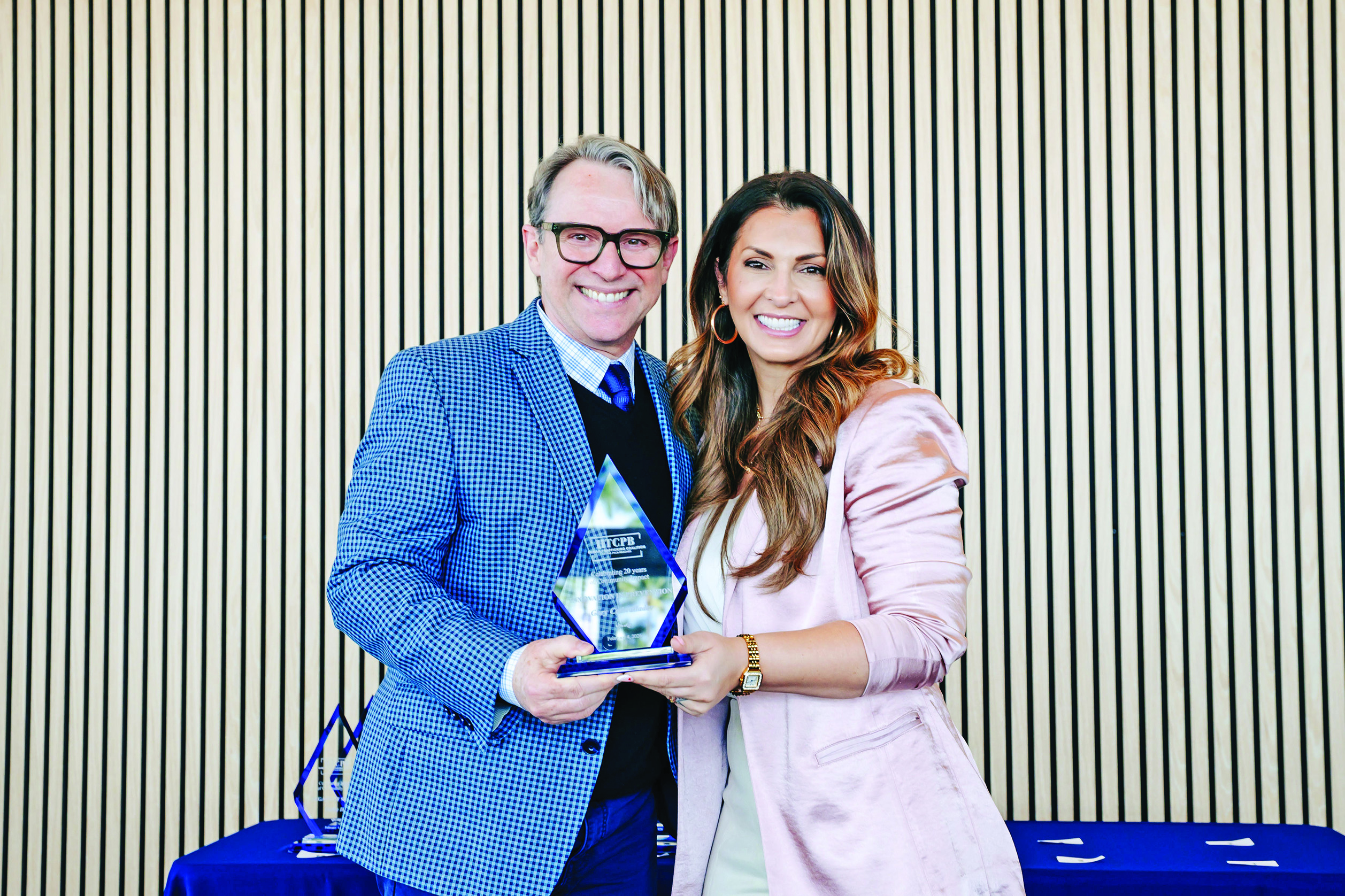
Gary Cadwallader and Rebecca Bender
For Palm Beach Dramaworks’ education department, the start of the school year means just one thing: time for the One Humanity Tour to hit the road.
The One Humanity Tour is a professional touring program of three plays — Live to Tell, Swagger, and Hungry Ghosts — all commissioned by Palm Beach Dramaworks (PBD) and written by Eric Coble, presented at no cost to Palm Beach County middle and high school students. The tour was conceived out of the belief that theatre can contribute to the development of thoughtful, compassionate, and informed citizens, and would have the potential to keep teenagers out of harm’s way and even save lives.
PBD is recognized as one of the finest nonprofit theatres in South Florida, having distinguished itself with vibrant productions of classic, contemporary, overlooked, and world premiere plays that stir the imagination, inspire, engage, challenge, entertain, and stimulate discussion. The company calls it Theatre to Think About.
and Natalie Donahue McMahon
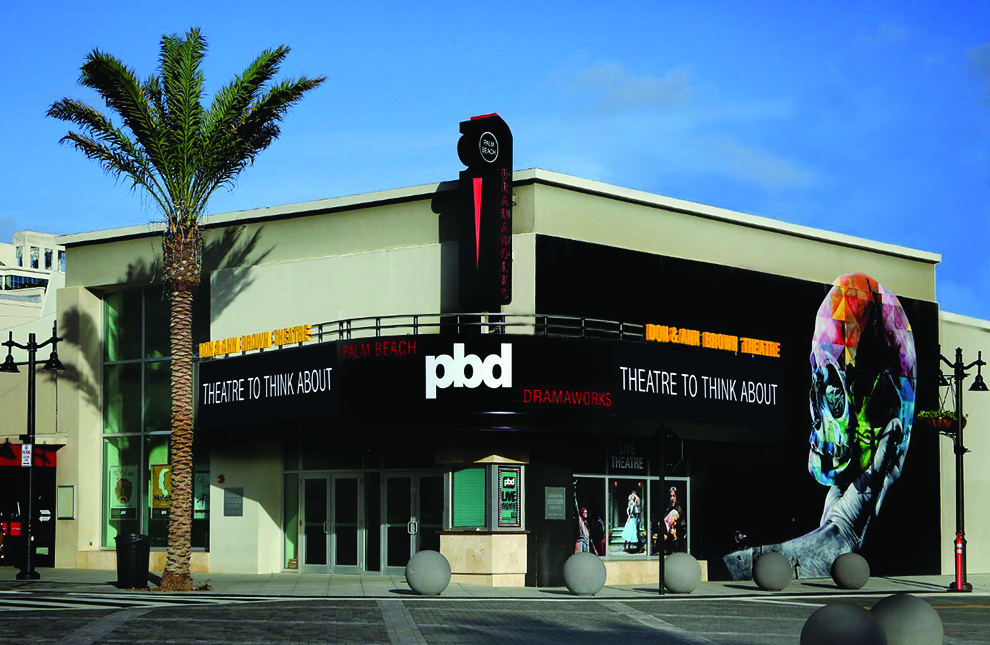
When PBD established its education department a decade ago, it was committed to providing students with the same opportunity it provided adults: to enhance the quality of their lives through the power of live theatre. The objective was, and is, to offer vibrant educational opportunities for students while nurturing creativity, inspiring artistic potential, building confidence, and encouraging self-expression through stimulating, life-changing programs.
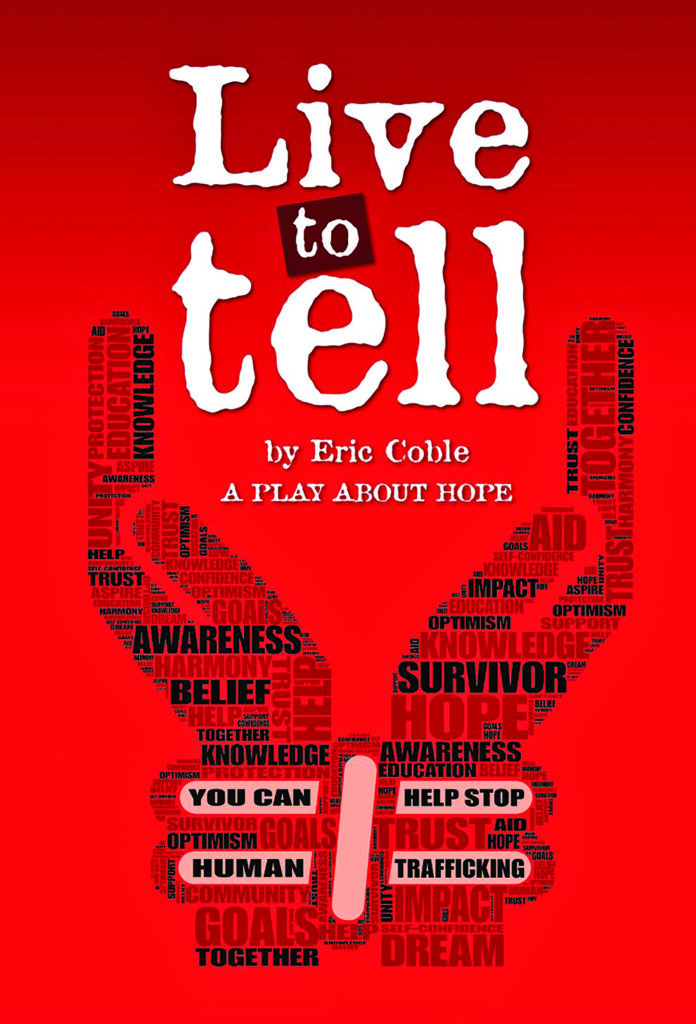
It’s done just that. The performing arts in general and theatre in particular are often in the vanguard of raising awareness about social issues, and that’s what all three plays that make up the One Humanity Tour do. But the one that has received the most attention is Live to Tell, a play about human trafficking prevention. Earlier this year, in recognition of PBD’s inspired efforts to help chart the path toward a future free from this scourge, the Human Trafficking Coalition of the Palm Beaches (HTCPB) presented PBD Director of Education and Community Engagement Gary Cadwallader with the Innovation in Prevention Award.
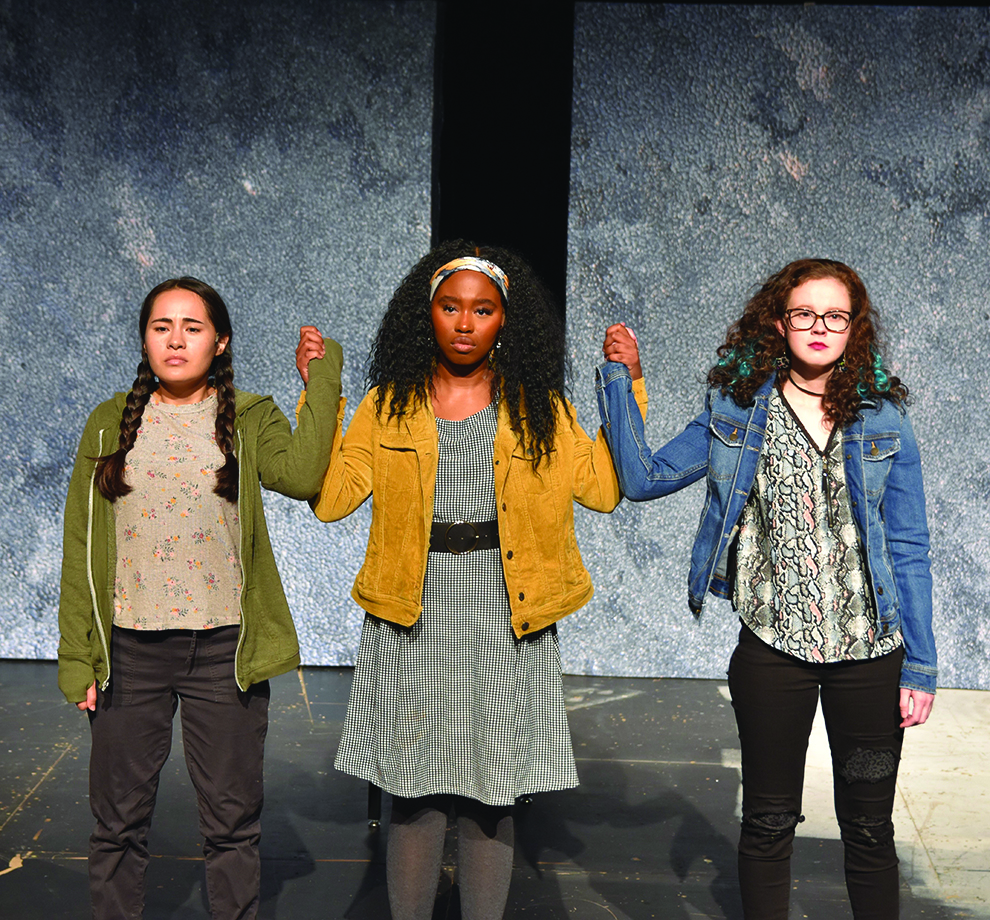
In Live to Tell, three 15-year-old girls from very different backgrounds reveal how they were preyed upon by savvy predators and trapped in the world of sex trafficking. And this is what theatre can do: A student realized that what was happening onstage mirrored what was happening to them. The student spoke up, and PBD connected the high school with the HTCPB; by doing so, the situation was elevated to local law enforcement.
“Even before this incident, we knew from certain comments we received on our post-performance surveys that we are making an impact with students during the performance and talkback, and raising red flags about predatory behavior,” said Cadwallader. “We are not only telling a compelling story of three young people ensnared in trafficking, but hopefully saving young people from falling into the trap of coercion and exploitation. We know that Live to Tell can help save a young person from trauma or death by defining human trafficking and showing them examples of what could happen if you fall prey to traffickers.”
From the start, the response to Live to Tell by students has confirmed theatre’s ability to enlighten and change lives. “It shows, tells us what could happen/would happen if we’re not careful,” one student commented. “It can help us save someone from going through the same thing the characters were,” said another.
Florida has a significant human trafficking problem. The state ranks third in the country in the number of cases reported to the National Human Trafficking Hotline. Palm Beach County ranks third in Florida in the number of cases reported to the National Human Trafficking Hotline. In 2024 statistics compiled by the hotline, there were 832 reported cases of human trafficking in Florida. The average age of sex-trafficked teens in PBC is 13.
After a school principal shared that teen human trafficking “keeps me up at night,” Producing Artistic Director William Hayes, then-Managing Director Sue Ellen Beryl, and Cadwallader were determined that PBD would help alert the county’s students of this lurking danger.
The One Humanity Tour launched in 2017 with Swagger, written for sixth graders, which addresses the tensions between the public and law enforcement from different vantage points. Live to Tell, for grades 7-12, followed in 2020. The newest production is Hungry Ghosts, for grades 8-12, which premiered in 2024 and focuses on opioid overdose prevention. Each performance of all three plays is followed by a talkback, and there are supplemental materials for teachers, administrators, and parents. To date, the overall attendance for the One Humanity Tour stands at 40,420 students.
“Often, when young people are being exposed to theatre in schools, they’re doing junior versions of musicals or plays that don’t take risks in any way,” said Hayes. “There’s a place for that, but because we’re a company that produces Theatre to Think About and hopefully influences people’s lives, we felt we needed to do the same thing in schools. What will make PBD unique in the community and in the industry? I truly believe sometime down the road, if we’re recognized on a national level, our educational programs will have a lot to do with it. We deal with tough subjects that impact these students, and aim to inspire and educate them.”
As Live to Tell was taking shape, PBD partnered with local agencies that help track and prosecute traffickers, including the Palm Beach County Sheriff’s Office, the West Palm Beach Police Department, and the National Center for Missing and Exploited Children, as well as trafficking awareness educators at the HTCPB. The post-performance talkback includes interviews, conducted by cast members, with a behavioral health specialist and a representative from the HTCPB about online safety and emphasizes to students how their smartphones are a gateway for traffickers. Students are asked to fill out a post-performance survey, and at the very bottom of the page is a message that says: “If there is a situation in your life where you feel uncomfortable and would like to speak with a trusted adult, please say so below. Turn in this paper directly to your teacher.” It also provides additional ways to get help.
“Contrary to what many people assume, trafficking occurs within our very own communities to people at all socio-economic levels of all backgrounds,” said Susan Kanoff and Susan J. Gurspan of the HTCPB. “Live to Tell is an eye-opening exposure to the dangers and realities of human trafficking and a compelling way to educate our youth about staying safe and protecting themselves from traffickers.”
“As a parent raising two young children, I can’t emphasize enough how consequential Live to Tell is,” said PBD Executive Director Rudina Toro. “It takes all of us — educators, parents, and community leaders — to protect our children. Because parents must give permission before their children can see the play, they enable Live to Tell and the entire One Humanity Tour. One of our goals is to spark important conversations between students, parents, and educators. Jointly, we can give students the tools they need to recognize the signs of human trafficking and, together, keep them safe.”
To learn more about the One Humanity Tour and PBD’s other educational programs, visit palmbeachdramaworks.org.