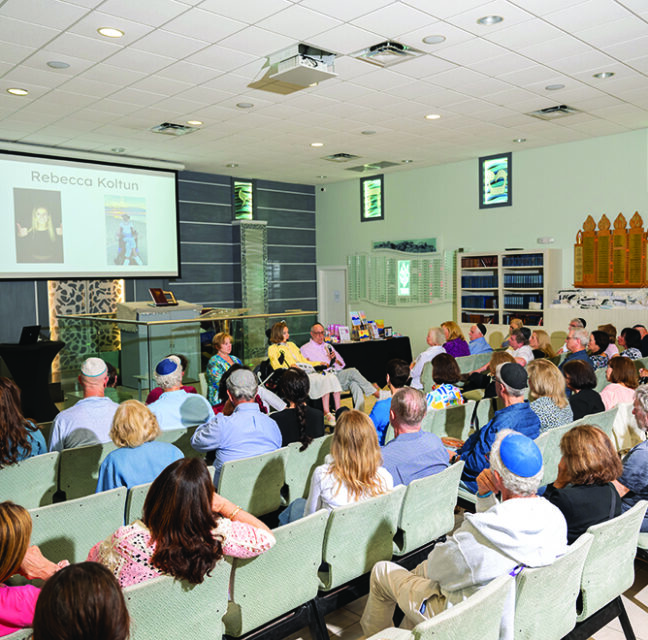


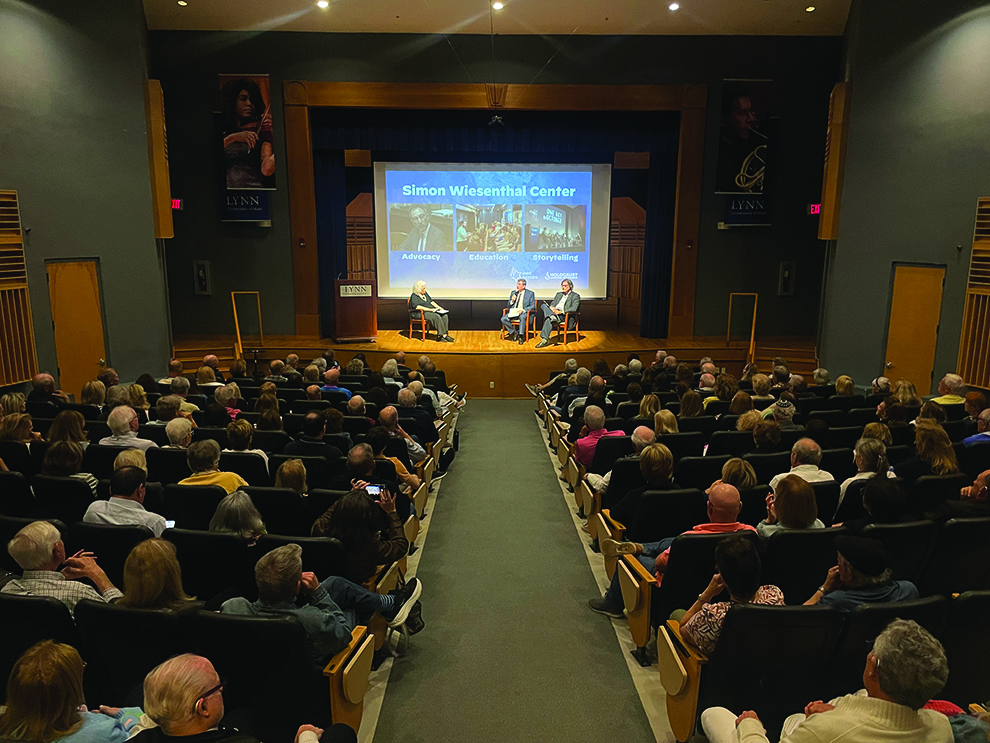
Last month, Lynn University in Boca Raton hosted a powerful conversation featuring Dr. Ariel Gelblung, director for Latin America at the Simon Wiesenthal Center, in discussion with historian Dr. Robert Watson, examining the implications of newly surfaced archives from Argentina documenting Nazi escape networks (“ratlines”). Speaking in the wake of a landmark U.S. Senate hearing and intensified global attention on Nazi fugitives who resettled in South America, Dr. Gelblung discussed what the Argentinian records reveal and why they are drawing fresh scrutiny.
“The ratlines represent one of the fundamental failures of justice after World War II … simply highlighting the historical record is an act of justice,” said Dr. Gelblung.
The program, a Next Generations Showcase Event presented in partnership with the Simon Wiesenthal Center and the Holocaust Learning Experience, brought together students, community leaders, and faculty to explore the historical record surrounding Nazi fugitives who resettled in South America after World War II and the renewed international attention on these networks following recent developments in Washington and Argentina.
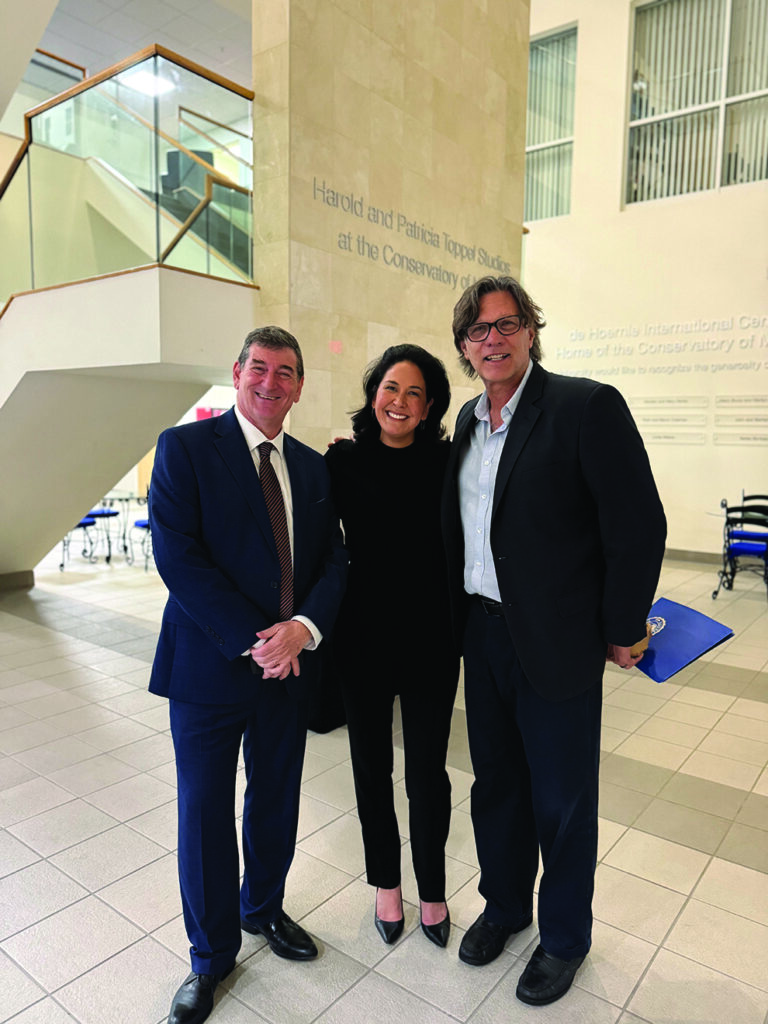
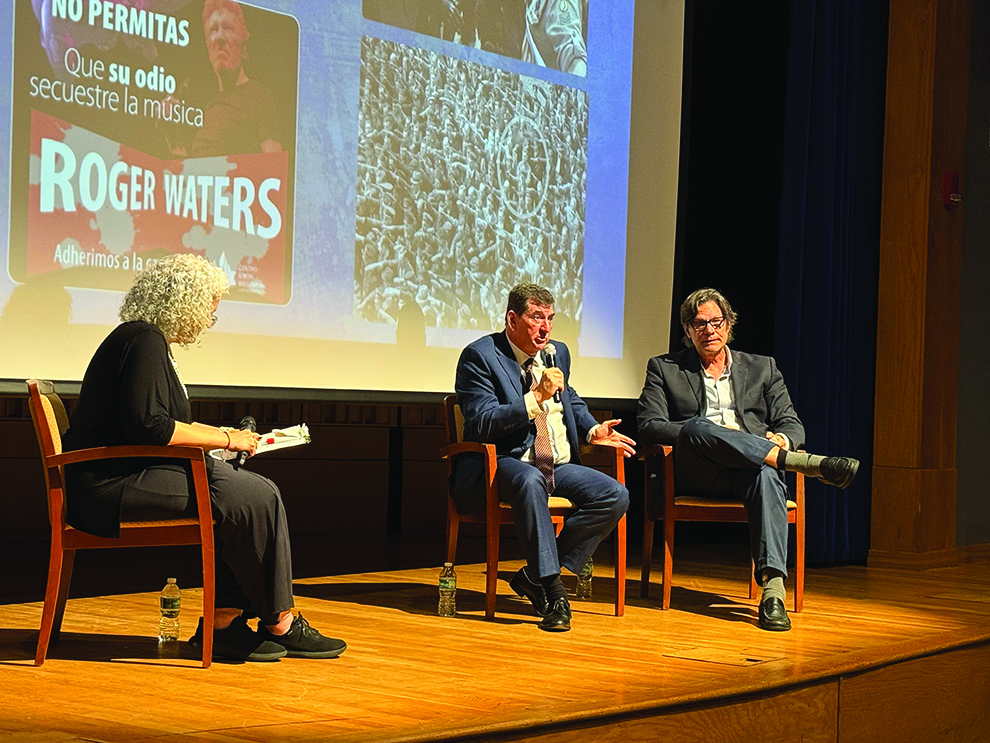
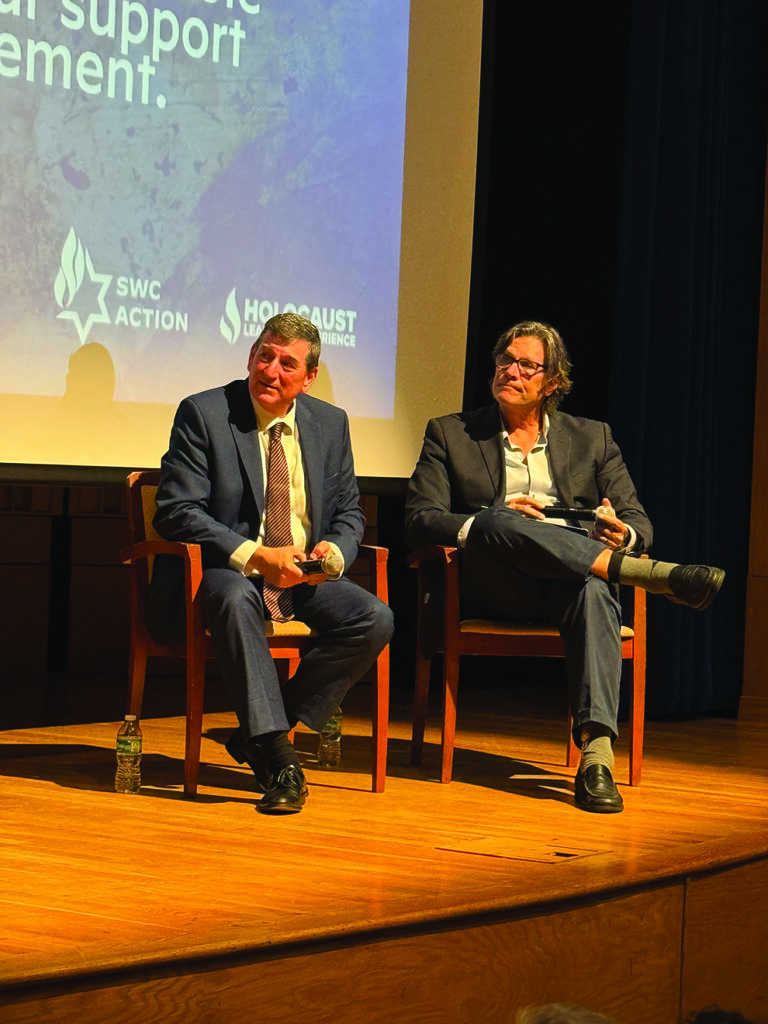
During the event, Dr. Gelblung connected these historical revelations to urgent present-day developments, including the surge of antisemitism across Latin America, political instability in Venezuela and Iran’s growing regional influence, and policy responses now under consideration, including broader adoption of the International Holocaust Remembrance Alliance (IHRA) Working Definition of Antisemitism.
“Using the IHRA definition, we have secured convictions against activists who falsely claim that Israel is a genocidal state … We will defend ourselves, and we will prevail,” said Dr. Gelblung.
Given South Florida’s deep ties to Latin America and the Simon Wiesenthal Center’s regional office leading advocacy and educational initiatives across the area, the conversation highlighted both the historical significance of these newly surfaced records and their implications for the region today.