

When a vital organ begins to fail, life can change quickly. Heart failure, liver failure, and kidney failure can happen for many reasons, including long-term disease, sudden illness, cancer, or other complex health conditions. For patients and families, the path forward can feel overwhelming.
At the Transplant Center at Cleveland Clinic Weston Hospital, patients have access to heart, liver, and kidney transplant expertise in one center. This matters for people with complex medical needs, including those who may need care from more than one specialist or evaluation for more than one organ.
The center brings together transplant surgeons, physicians, nurses, coordinators, pharmacists, social workers, dietitians, and other specialists who work as one team. Their goal is to guide patients through each step of the transplant journey, from evaluation to surgery to long-term follow-up care.
One way the center is improving access is through Saturday rapid transplant evaluations. These evaluations are traditionally offered during the workweek, which can be difficult for patients and caregivers who are balancing jobs, travel, family responsibilities, and medical appointments. For patients whose situations are appropriate for this type of visit, Saturday evaluations can help make the process more convenient and efficient.
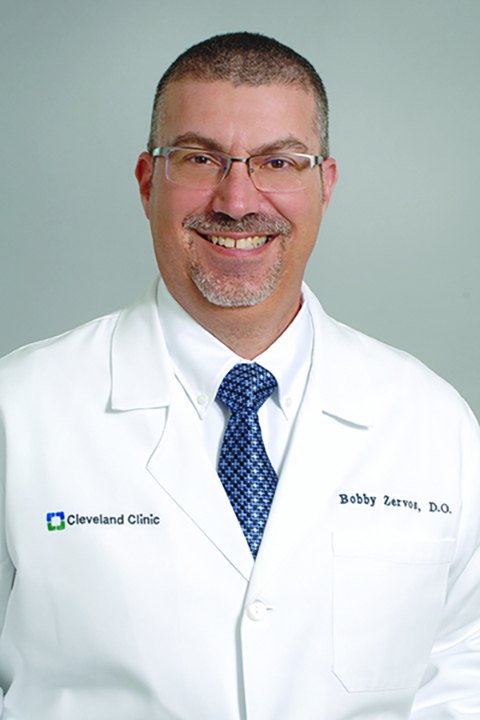
“For patients facing organ failure, every day matters,” says Xaralambos “Bobby” Zervos, D.O., MBA, medical director of the Liver Transplant Program at Cleveland Clinic Weston Hospital. “Our goal is to remove barriers whenever possible. Saturday evaluations can help patients and families take an important step toward transplant care with less disruption to work, travel, and daily life.”
The center also offers living donor kidney and liver transplant programs. For some patients, a living donor transplant may help them receive a transplant sooner than waiting for a deceased donor organ. Each patient and donor is carefully evaluated to determine whether this option is safe and appropriate.
Innovation is also helping expand transplant opportunities. Cleveland Clinic Weston Hospital uses advanced donor technologies that help preserve and assess organs, which may increase access to transplantation for patients in need.
The center offers robotic-assisted living donor kidney surgery. This minimally invasive approach may help donors recover faster, experience less discomfort, and have smaller incisions. The team is also planning future innovations by using the newest robotic-assisted technologies when appropriate, with the goal of supporting faster recovery, improved cosmetic results, and fewer potential complications for some patients.
With more than 2,600 organ transplants performed, the Transplant Center at Cleveland Clinic Weston Hospital combines experience, advanced care, and a patient-centered approach to help people facing serious illness move forward with hope.
Visit ClevelandClinicFlorida.org/Transplant to learn more about how we help patients with heart failure, liver failure, and kidney failure.