

Degenerative spinal changes affect up to 95% of people by the age of 50, and spinal stenosis is one of these changes. For people over 65 undergoing spine surgery, lumbar spinal stenosis is the most common diagnosis. In fact, an estimated 200,000 Americans suffer from lumbar spinal stenosis. And although it’s more prevalent in the elderly population, it can also affect younger individuals.
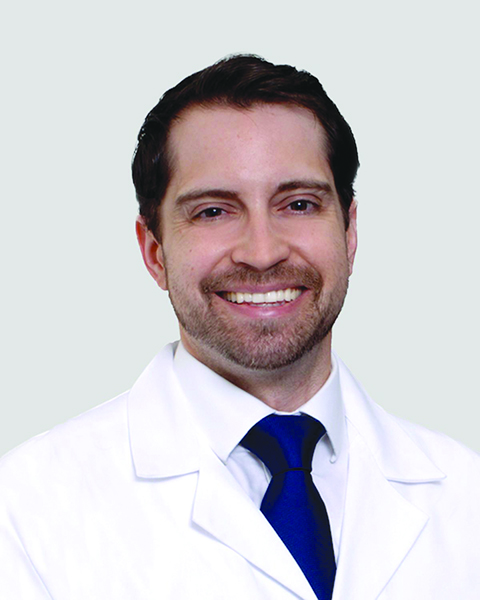
J. Manuel Sarmiento, M.D., a neurosurgeon at Cleveland Clinic Weston Hospital, answers frequently asked questions about spinal stenosis.
Q: What is spinal stenosis?
A: Spinal stenosis is narrowing around the spinal cord and/or nerves. Lumbar stenosis is the narrowing of the nerves in the lower back. This may produce leg pain (sciatica), leg numbness or possibly leg weakness. Cervical stenosis is pressure on the spinal cord or nerves in the neck. This may result in arm pain, numbness, weakness, difficulty writing and even walking abnormalities.
Q: What causes spinal stenosis?
• Aging
• Genetics
• Congenitally narrow spinal canal
• Smoking
• Osteoarthritis
Q: How is spinal stenosis treated?
A: There are many treatments for spinal stenosis, both surgical and non-surgical. Every patient is unique; therefore, treatment needs to be unique as well. When considering surgery, there are many factors that need to be taken into account. It is important to meet with a spinal neurosurgeon for a comprehensive evaluation and treatment recommendations.
Non-surgical treatments include:
• Medicine to reduce swelling
• Spinal injections to decrease inflammation
• Medicine to relieve pain
• Activity modification
• Exercises and/or physical therapy
Surgical treatments for cervical spinal stenosis include:
• Microsurgical decompression of nerves
• Spinal laminoplasty – non-fusion spinal restoration
• Posterior spinal fusion using 3D computer-assisted technology
• Anterior cervical fusion
• Artificial disc replacement
Surgical treatments for lumbar spinal stenosis include:
• Microsurgical decompression of nerves
• Spinal fusion for stabilization using various approaches
Call (877) 463-2010 to schedule an appointment or visit ClevelandClinicFlorida.org/Neuro for more information.