

Chabad of Palm Beach Gardens recently hosted a special event focused on autism awareness, featuring Dr. Steven Shore of Adelphi University, who has autism himself. As an internationally recognized expert who has spoken in 58 countries, Dr. Shore delivered a moving and informative presentation to a capacity crowd.
Rabbi Vigler spoke about the challenges of autism and shared the Jewish perspective that “G-d doesn’t make mistakes.” He emphasized that every challenge must be transformed into an opportunity, encouraging attendees to discover how this transformation is possible even in difficult circumstances.
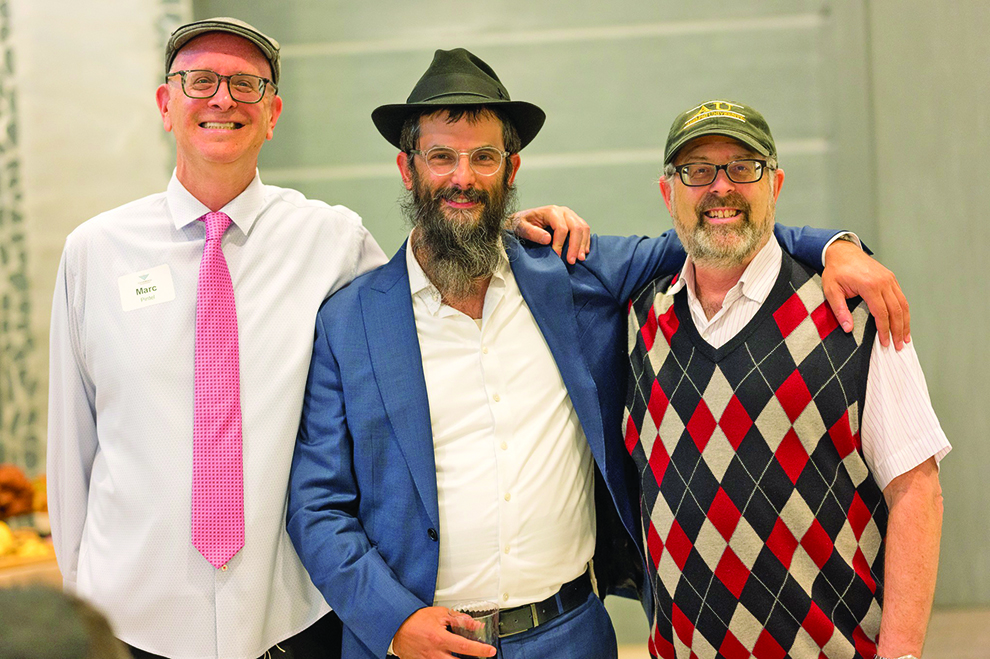
Marc Pintel, a member of the shul who has struggled with autism throughout his life, was highlighted as a beautiful example of resilience. Despite his challenges, Marc has never allowed autism to limit his ability to connect with people, organize events, and raise awareness for both autism and Judaism in his community. He gave a touching introduction to Prof. Shore, noting their common experiences with autism and shared love of faith, Yiddishkeit, and Chabad.
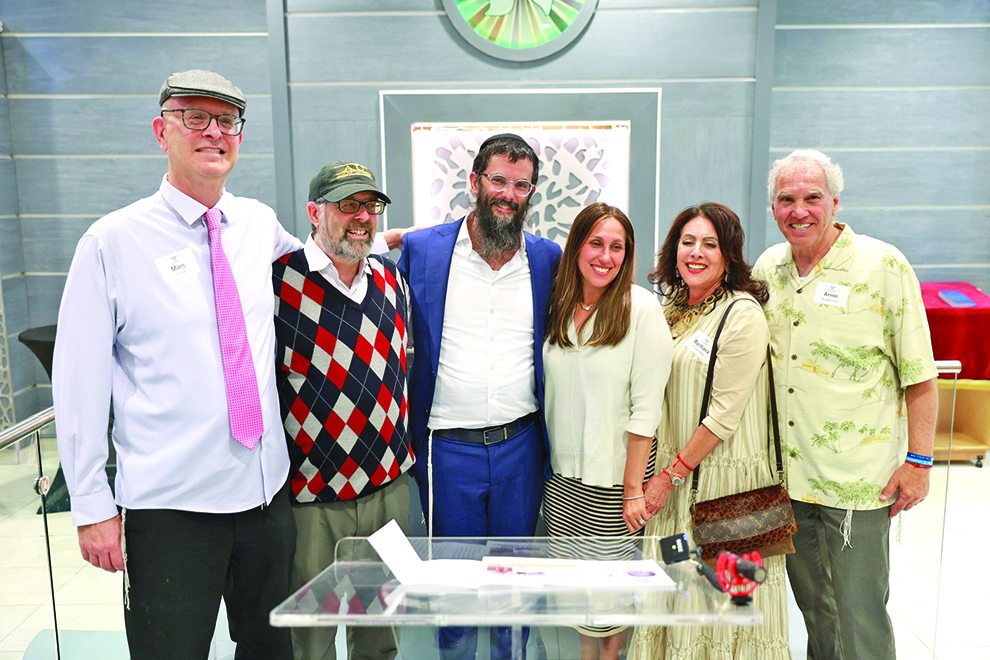


Dr. Shore began his presentation with a powerful exercise that allowed participants to experience the sensations of being autistic. This simulation helped attendees understand the distractions, confusions, and overwhelming sensory input that autistic individuals experience constantly. Many participants described the experience as painful, difficult, and unbearable, giving them newfound compassion for the daily struggles faced by those with autism.
He then shared his personal journey, including how his parents intuitively recognized that intensive early intervention at home was the best approach for his development. Throughout his life, Dr. Shore has maintained strong faith, viewing himself as being on a special assignment from G-d rather than feeling resentment toward his challenges. He sees himself as empowered to bring awareness, deeper love, and compassion to the world.
He emphasized that establishing a meaningful, caregiving relationship with an autistic person requires:
1. Connecting by focusing on abilities rather than deficits (viewing the person as different, not defective)
2. Building a mutually trusting pathway to communication
He explained that autistic individuals often have acute focus on their interests, which vary from person to person. These interests can be developed into skills that make them both happy and valuable to society.
Dr. Shore noted that autism is now understood as a spectrum of social and communicative behaviors and abilities. This perspective helps medical professionals focus on autistic individuals as they would any other person with their own unique set of physical, mental, and emotional characteristics.
He pointed out that autism involves a genetic predisposition, although environmental factors may influence which children develop autism. He shared the concerning statistic that autistic individuals have a life expectancy approximately 16 years shorter than the general population, largely due to limited medical understanding and communication challenges between patients and healthcare providers.
He also highlighted that symptoms such as digestive problems, immune system difficulties, and seizures are common in some autistic patients but can be challenging to diagnose and treat due to communication barriers.
The Four A’s Approach
Throughout his presentation, Dr. Shore outlined his four A’s approach to autism:
Awareness: Recognizing when a person is different
Acceptance: Embracing the person’s unique characteristics
Appreciation: Valuing the person’s individual qualities
Action: Taking steps to support these individuals in becoming the best versions of themselves
Rabbi Vigler reflected on the presentation through the lens of Jewish mysticism, noting that “Hashem doesn’t make mistakes; autistic people are the way they are supposed to be and, like all of us, they have the opportunity to reach their potential.”
Following Dr. Shore’s presentation, there was a lively Q&A session where he addressed questions from the audience. The event concluded with an evening service, with attendees deeply moved by the compassion and insights shared at this informative event.
The lecture provided valuable perspectives on autism and served as an important reminder of the value of inclusivity and respect for every human soul.