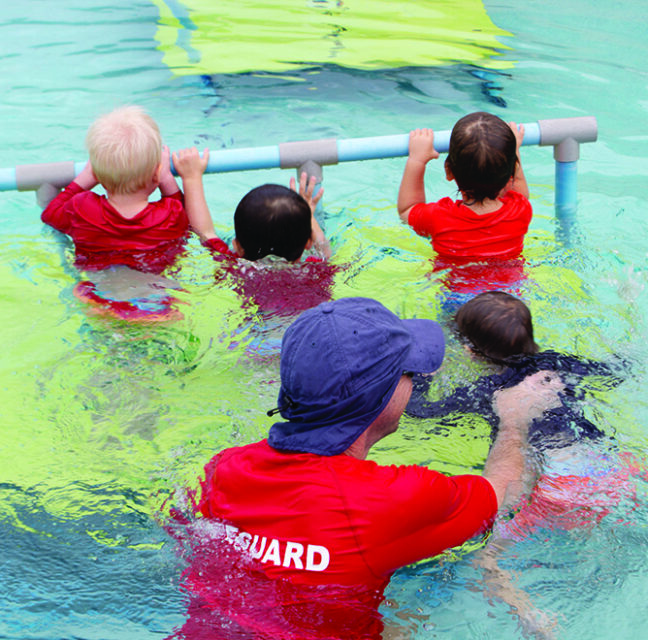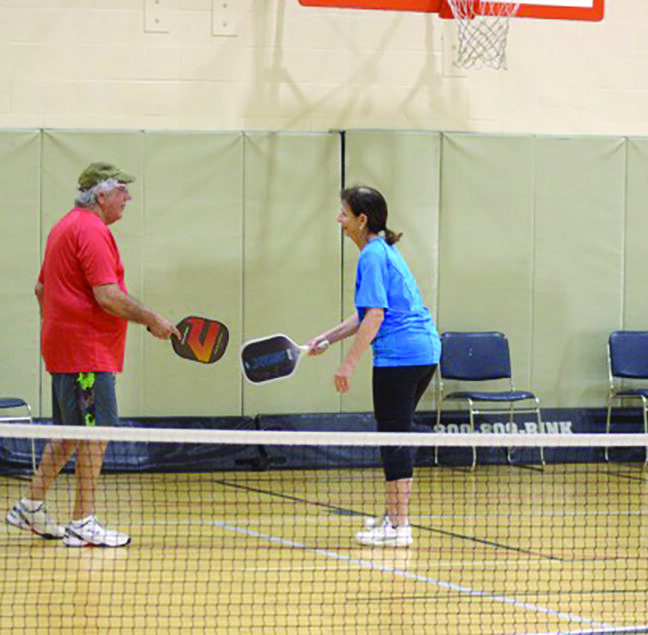



Can you imagine going to preschool and kindergarten on your own, and then attending summer camp without any other campers, or a birthday party where you are the only one — or, even better, getting the best seat at a sporting event or concert because you’re the only one there? I think it would be safe to say that every one of us would reject that idea even if we were extreme introverts.
It is therefore a wonderful thing that Judaism focuses on and encourages group activities so we are not alone. This includes but is not limited to all the great organizations we have that require the attendance and participation of so many people. Hadassah, Brandeis, Ort, heritage clubs, men’s clubs and sisterhoods, the number of people required to start the Birkat Hamazon, and the number of people needed for a minyan.
Even non-Jewish people who study group dynamics will note the health and mental benefits of being surrounded by people who share your common interests and goals, who welcome you for who you are, and who share your values and ethics.
And yet in today’s world an overwhelming number of Jewish people indicate they in fact would rather be alone and do things by themselves without any of the benefits of socialization, camaraderie, and harmony.
At this point you’re saying to yourself: That’s not true.
When many Jewish people are asked if they prefer being alone or in a synagogue or watching a service on Zoom, since covid people say: I don’t need to pray with others, I can accomplish the same at home by myself.
I don’t think I’ve ever heard anyone say: I’m glad I was not invited to a seder this year, because I’d rather eat alone!
Every year millions of people fight traffic, crowds, lines, rude and impatient people just to get into a venue, and then repeat the trauma after the event. And what about the huge cost associated with it? Can you imagine going to Disneyland with your family and you’re the only one there?
Think about this: If you try a restaurant and nobody’s there, chances are you won’t return and the place will go out of business.
That’s exactly what is happening to our places of worship, our synagogues, our classrooms, our clubs and associations that are connected to Judaism.
The educational component of weekly Shabbat services is phenomenal and cannot and should not be overlooked. Billions of dollars are spent by citizens every year on self-improvement, self-awareness, how to achieve success, how to prosper, how to maintain friendships and relationships. The weekly d’var Torah, or sermon, extracts from every parsha not only the events of the week but how we can apply these experiences and other insights into our ever-growing, ever-expanding daily life — and it’s free! And comes with food!.
We all went through secular education in international, national, and local history and heroes who made us who we are today. Our Torah and related texts do that as well. For those who pray alone at home: Do you give yourself a daily or weekly sermon filled with insights that apply to each individual personally?
If you watch on Zoom: Do you get to challenge something you disagree with or probe deeper on something you do?
If it’s simple enough just to read a book, then why do we bother to have teachers to review the text in secular school?
Access to Jewish education is available to all on a weekly basis without all the tzuris involved in the pursuit of entertainment at other venues. Just like at a concert, we get to sing along with the cantor, we get to spend some time with people of similar interest, and of course there can’t be a good Jewish event without food and wine at the weekly kiddush.
Let’s conclude by saying: I wouldn’t rather be alone!
Andy Greenberg is a 25-year Conservative Jewish educator of grades 3-12 and a lecturer for adults of all ages.